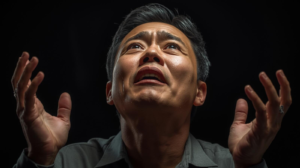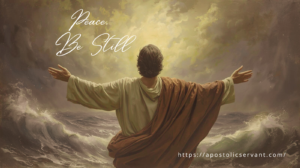
Suffering because of others’ foolishness
There are times when the righteous are forced to endure hardship, not because of their own choices, but because of the sins and unbelief of others.
Written by:
Apostolic Bishop Jerry Pena
God’s Anointed Servant
Spiritual Overseer—Apostolic Impartation of Fire Ministries
© 2025 Bishop Jerry Pena / Apostolic Impartation of Fire Ministries. All Rights Reserved.
This post may be shared for non-commercial, ministry purposes with proper attribution. For permission to reproduce for publication, commercial use, or speaking engagements, please contact Apostolic Impartation of Fire Ministries.
In 2 Kings chapter 20, we encounter one of the most remarkable demonstrations of prayer’s power in all of Scripture. King Hezekiah was sick unto death. The prophet Isaiah came to him with a divine message that left no room for ambiguity.
“In those days Hezekiah became mortally ill. The prophet Isaiah son of Amoz came and said to him, ‘This is what the LORD says: Put your house in order, because you will die and not recover.’” — 2 Kings 20:1 (BSB)
This was not a doctor’s prognosis. This was a prophetic declaration from the mouth of God’s prophet. “You will die.” The decree had been issued from heaven. The sentence had been pronounced. By every measure, Hezekiah’s life was over.
Hezekiah did not call a council of advisors. He did not summon his physicians. He did not resign himself to fate. He turned his face to the wall and did the only thing that could change a divine decree: he prayed.
“Then Hezekiah turned his face to the wall and prayed to the LORD, ‘Please, O LORD, remember how I have walked before You faithfully and with wholehearted devotion, and have done what is good in Your sight.’ And Hezekiah wept bitterly.” — 2 Kings 20:2-3 (BSB)
Notice the elements of this prayer. First, Hezekiah turned his face to the wall. He shut out every distraction. He eliminated every voice except the voice of God. Second, he reminded God of his faithfulness—not out of pride, but out of covenant relationship. He was appealing to the covenant. Third, he wept bitterly. This was not a casual prayer. This was a man laying his life on the altar of intercession with tears and desperation.
“Before Isaiah had left the middle courtyard, the word of the LORD came to him, saying, ‘Go back and tell Hezekiah the leader of My people: This is what the LORD, the God of your father David, says: I have heard your prayer; I have seen your tears. I will surely heal you. On the third day you will go up to the house of the LORD. I will add fifteen years to your life.’” — 2 Kings 20:4-6 (BSB)
Before Isaiah had even left the courtyard. That is how quickly heaven responded. God did not deliberate. He did not wait. The moment the prayer went up, the answer came down. A death sentence was reversed. Fifteen years were added. A miracle was released—all because one man prayed.

There are times when the righteous are forced to endure hardship, not because of their own choices, but because of the sins and unbelief of others.

The Scripture declares, “Death and life are in the power of the tongue: and they that love it shall eat the fruit thereof” (Proverbs 18:21). This is not merely poetic

We live in a world captivated by the temporary. People pour their lives into careers, possessions, relationships, and achievements that, while not inherently evil, become dangerous idols when they eclipse

In every generation, the people of God face a sobering choice: will we embrace the full truth of God’s Word, or settle for a watered-down version that pleases the ear

There is a principle that the modern Church desperately needs to recover: your breakthrough may be connected to your intercession for someone else.
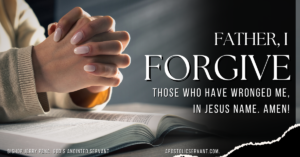
Begin and end your day with prayer.
Speak to God honestly about your joys, struggles, and needs.
Include moments of silence to listen for His guidance.