The Faith that Works—From barrenness to breakthrough
The Faith that Works What looked barren in your life might be the very place where God’s plan will come

A ministry mandated to equip, awaken, and align God’s people through an encounter with the fire of His Word.
By Bishop Jerry Peña, God’s anointed servant
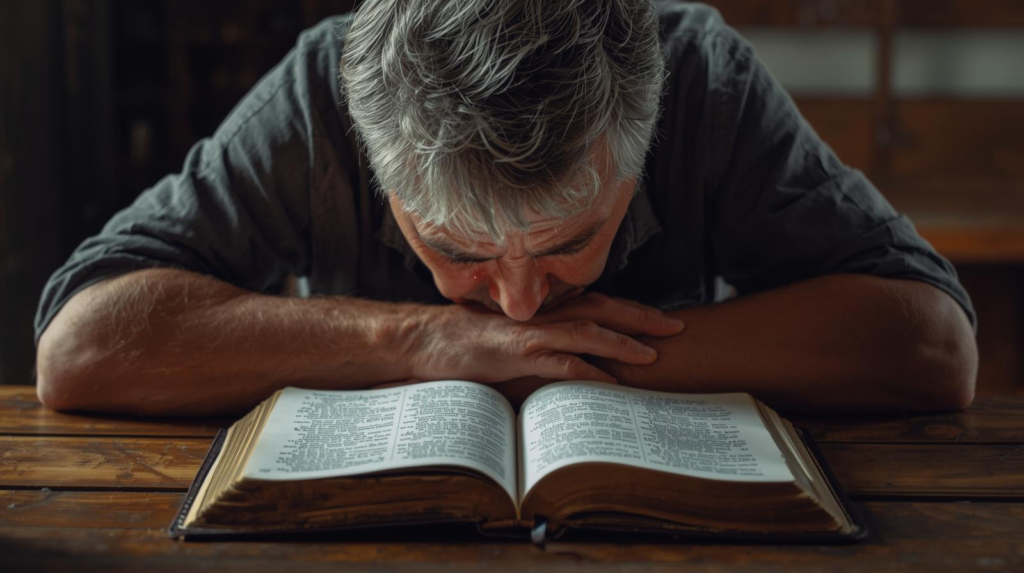
“See that no one is sexually immoral, or is godless like Esau, who for a single meal sold his inheritance rights as the oldest son. Afterward, as you know, when he wanted to inherit this blessing, he was rejected. Even though he sought the blessing with tears, he could not change what he had done.” – Hebrews 12:16-17
There are few truths more sobering than this: some opportunities, once missed, cannot be recovered. Some doors, once closed, will never open again. Some blessings, once forfeited, are gone forever. Time flows like water – once it passes, it cannot return. Opportunities have expiration dates that cannot be extended.
Esau discovered this devastating truth when he stood before his father Isaac, weeping bitterly, pleading for a blessing that was no longer available. His tears were genuine. His regret was real. His sorrow was overwhelming. But his weeping could not undo what his choices had set in motion.
“Is there not a blessing for me too, my father?” he cried (Genesis 27:36). But the blessing was gone, given to Jacob, sealed by divine providence. No amount of tears, no depth of regret, no intensity of pleading could reverse what had been lost forever.
This is perhaps life’s most painful lesson: there are consequences that cannot be undone, choices that cannot be unmade, and opportunities that, once missed, are gone like water spilled on the ground.
Esau was born first, making him heir to the birthright and blessing. This wasn’t just about material inheritance – it was about spiritual leadership, the covenant promises of God, and the privilege of being in the lineage of the Messiah.
What led to his irreversible loss:
The moment of devastating realization: When Isaac had already blessed Jacob, thinking he was Esau, the real Esau returned from hunting. Genesis 27:34 records his response: “When Esau heard his father’s words, he burst out with a loud and bitter cry and said to his father, ‘Bless me too, my father!'”
But Isaac’s response was heartbreaking: “Your brother came deceitfully and took your blessing… I have blessed him—and indeed he will be blessed!” (Genesis 27:35-33).
The principle: Time had passed. The blessing was given. The words were spoken. The deed was done. And it could not be undone.
In Luke 16:19-31, Jesus told of a rich man who lived in luxury while ignoring the poor beggar Lazarus at his gate. Both men died – Lazarus went to paradise, the rich man to torment.
The rich man’s desperate pleading: From his place of torment, he cried out to Abraham: “Father Abraham, have pity on me and send Lazarus to dip the tip of his finger in water and cool my tongue, because I am in agony in this fire” (Luke 16:24).
Abraham’s response revealed the irreversible nature of his condition: “Between us and you a great chasm has been set in place, so that those who want to go from here to you cannot, nor can anyone cross over from there to us” (Luke 16:26).
What made his loss irreversible:
The rich man’s tears, regret, and desperate pleading could not bridge the chasm that his lifetime of choices had created.
Every moment that passes is gone forever. You cannot relive your childhood, redo your youth, or reclaim wasted years. The time you should have spent with loved ones who are now gone, the opportunities you should have seized, the words you should have spoken – these cannot be retrieved.
Lost time includes:
Ecclesiastes 3:1: “To everything there is a season, and a time to every purpose under heaven.”
Trust, once broken, may never be fully rebuilt. Respect, once lost, may be gone forever. Some words, once spoken, cannot be taken back. Some actions, once taken, cannot be undone.
Irreversible reputation damage:
Proverbs 22:1: “A good name is more desirable than great riches; to be esteemed is better than silver or gold.”
Some relational bridges, once burned, cannot be rebuilt. Death makes reconciliation impossible. Hurt can be so deep that forgiveness, while necessary, doesn’t restore relationship. Trust can be so shattered that intimacy becomes impossible.
Irreversible relational losses:
Some health choices create permanent physical consequences. Some accidents cause irreversible damage. Some diseases progress beyond the point of recovery.
Irreversible physical realities:
While God’s grace is available throughout life, specific opportunities for spiritual impact may come only once. Seasons of spiritual openness pass. People who might have been reached become hardened. Moments of potential breakthrough are lost forever.
Spiritual opportunities that may not return:
Time flows in one direction only. God has designed creation with this linear progression where moments pass and cannot be recalled. This isn’t cruelty – it’s the structure that makes choices meaningful and life purposeful.
If we could constantly undo our choices:
God honors human choices, even bad ones. He doesn’t force us to choose wisely, and He doesn’t always rescue us from the consequences of poor choices. This respect for human autonomy means that our decisions have real weight and lasting impact.
Free will requires:
Some consequences reflect divine justice that cannot be appealed. When judgment comes, when seasons close, when opportunities expire, it often reflects God’s righteous response to human choices.
Divine justice sometimes means:
Human life has built-in limitations that create urgency. Death sets the ultimate deadline that makes every choice significant and every opportunity precious.
Mortality creates:
When you assume that what you have today will always be available tomorrow, you’re setting yourself up for devastating loss.
Dangerous assumptions:
Like Esau, when you treat valuable things casually, you risk losing them permanently.
Sacred things often taken for granted:
Procrastination in crucial matters often leads to missed opportunities that don’t return.
Critical delays:
Believing You Can Always Make Up for Lost Time
The myth that you can always catch up later often leads to irreversible loss.
False beliefs about time:
Scripture repeatedly emphasizes the importance of immediate response to God’s voice and life’s opportunities.
“Today” passages:
Practical urgency:
Recognize the irreplaceable nature of certain blessings while you still have them.
Irreplaceable treasures:
When God speaks, when opportunities arise, when relationships need attention – respond immediately.
Immediate action areas:
Make decisions based on eternal consequences rather than temporary comfort or convenience.
Eternal perspective asks:
Regularly assess what you have that could be lost and what opportunities exist that might not return.
Inventory questions:
While some consequences are irreversible, God’s grace can still bring beauty from ashes, even in the midst of permanent loss.
Examples of grace amid irreversible loss:
The key: While some earthly consequences can’t be reversed, God can still work redemptively in and through our irreversible losses.
About relationships:
About opportunities:
About stewardship:
About spiritual matters:
Life contains irreversible consequences that no amount of tears, regret, or pleading can undo. Some doors, once closed, never open again. Some opportunities, once missed, are gone forever. Some time, once lost, cannot be recovered.
The cruelest lesson in life is learning too late that some things, once lost, cannot be recovered. But it’s also life’s most urgent lesson – a call to action while opportunity remains, while relationships can be healed, while time exists, while God’s voice can still be heard.
Don’t let tomorrow’s regret be built on today’s delay. Don’t let future tears be the price of present procrastination.
“Seek the Lord while he may be found; call on him while he is near.” – Isaiah 55:6
“As God’s co-workers we urge you not to receive God’s grace in vain. For he says, ‘In the time of my favor I heard you, and in the day of salvation I helped you.’ I tell you, now is the time of God’s favor, now is the day of salvation.” – 2 Corinthians 6:1-2
Friend, if you’ve been trying to work your way to heaven—stop. If you’ve been hoping your religious activities will earn you favor with God—they won’t. If you’ve been trusting in your good deeds to outweigh your bad ones—it’s impossible.
Instead, do what the Bible commands: “Believe in the Lord Jesus, and you will be saved” (Acts 16:31).
Trust in Christ alone. Rest in His finished work. Receive salvation as the free gift it is. And then spend the rest of your life grateful that your salvation doesn’t depend on what you do but on what He has done.
To God alone be the glory!
 Share this teaching with a friend or loved one who may be relying on religion or good works so that they too may find grace to enter life eternal. Christ already finish the work on the cross. “It is Finish”, is what He said.
The Faith that Works What looked barren in your life might be the very place where God’s plan will come

Many believers sincerely love God, attend church, and hear the Word often—yet when pressure comes, their mouth doesn’t release Scripture, faith, or spiritual language. Instead, what comes out is fear, frustration, compromise, anger, unbelief, or the vocabulary of the world.
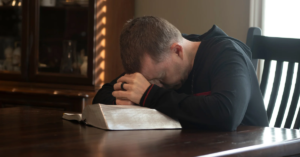
Pray without ceasing. This is one of the shortest verses in the Bible, yet it carries one of the most staggering implications: heaven expects the believer to live in a state of continuous communion with God.